
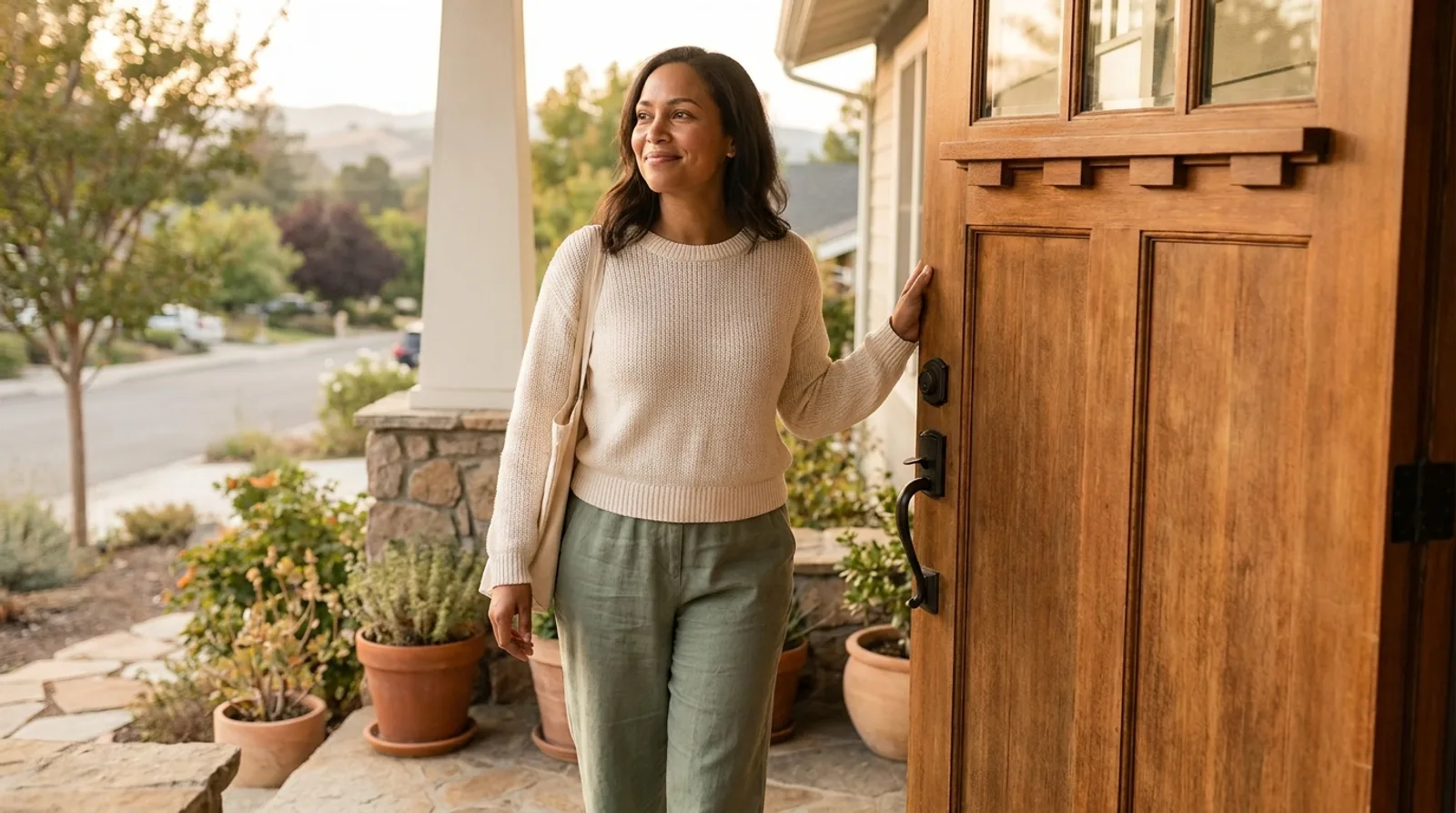
Yes — a growing body of high-quality research shows that regular physical activity, including gentle walking, can meaningfully reduce postpartum depression and anxiety symptoms. It is not a cure and it does not replace therapy, medication, or your care team, but the evidence is strong enough that movement is now recognized as a real, supportive tool. Most studies point to around 150 minutes a week of moderate activity (the kind you can build from short walks), sustained over roughly 12 weeks or more, as the dose where benefits show up.
What does the research actually show about walking and postpartum depression? #
Across multiple meta-analyses — studies that pool many trials together — physical activity is consistently linked to fewer depressive symptoms after birth. A 2022 dose-response meta-analysis of 186,412 women found that being physically active was associated with significantly lower odds of postpartum depression (adjusted odds ratio 0.73, 95% CI 0.61–0.87), with protection growing as activity increased (PMC, 2022).
A separate meta-analysis of 35 studies (4,072 participants) found that postpartum exercise produced a moderate reduction in depressive symptoms (standardized mean difference −0.52, 95% CI −0.80 to −0.24) and lowered the odds of postpartum depression by about 45% (PubMed, 2024). Importantly, the benefit appears largest for the people who need it most: in one pooled analysis of 12 trials, the effect was strongest among mothers who already met the criteria for depressive symptoms at the start (Birth, 2017).
Can it help with postpartum anxiety too, or just depression? #
The depression evidence is stronger, but movement appears to help anxiety as well. In the same 35-study meta-analysis, exercise produced a small but real reduction in postpartum anxiety symptoms (standardized mean difference −0.25, 95% CI −0.43 to −0.08) (PubMed, 2024). The anxiety research base is smaller and the effect is more modest, so think of walking as one calming input among several — alongside sleep when you can get it, connection, and professional support — rather than a standalone anxiety treatment.
How much walking, and what kind? #
You do not need a gym, a plan, or a single uninterrupted block of time. The American College of Obstetricians and Gynecologists recommends about 150 minutes of moderate-intensity activity per week after birth, and explicitly names walking as a great way to begin — for example, three 10-minute walks across a day (ACOG). In the research, a moderate improvement in depressive symptoms showed up at roughly 350 MET-minutes per week, which is about 80 minutes of brisk walking spread across the week, typically sustained over several months (PubMed, 2024).
- Start small and stackable. Three short walks a day count just as much as one long one. The minutes add up; the pressure does not.
- Aim for moderate, by feel. You should be able to talk but not sing — a perceived-effort check matters more than pace or distance. Learn more in our guide to RPE after birth.
- Give it time. Most trials ran 12 weeks or longer. Mood benefits build gradually, not overnight.
- Let the stroller count. Walking with your baby is exercise, company, and fresh air in one — no separate childcare required.
Why does something as simple as walking change how you feel? #
Researchers point to several overlapping reasons: physical activity may ease inflammation and help regulate stress hormones, it supports more restorative sleep, and it reliably creates moments of accomplishment, daylight, and — often — gentle social contact. There is also an identity piece. Each walk is small, repeatable proof that you can still show up for yourself, which is its own kind of medicine. That said, biology is only part of the story; a low mood after birth is never a willpower problem, and exercise working for many people does not mean it is all you need.
Is this the same as baby blues, and when is walking not enough? #
Brief tearfulness and overwhelm in the first couple of weeks — the baby blues — are common and usually lift on their own. Postpartum depression and anxiety are more intense, last longer, and deserve real treatment. If you are unsure which you are experiencing, see baby blues vs. postpartum depression. Walking is a complement to care, not a substitute: if symptoms persist beyond two weeks, worsen, or interfere with caring for yourself or your baby, please reach out to a provider or the resources above.
Movement can lighten the load. It cannot carry it for you — and you were never meant to carry it alone.
The mamile approach to postpartum movement
Frequently asked questions #
How soon after birth can I start walking?
Many people begin gentle walking within days when they feel ready, but timing is individual — especially after a cesarean or complicated delivery. ACOG advises easing in and checking with your provider. Start with short, slow walks and build from there.
How long until I notice a difference in my mood?
Most studies measured benefits over 12 weeks or more, so think in weeks, not days. Small lifts in energy or mood may come sooner, but consistency over time is what the research rewards. Be patient and gentle with yourself.
Can walking replace therapy or medication for postpartum depression?
No. The evidence supports physical activity as a complement that can reduce symptoms — never a replacement for professional care. If you're in treatment, keep going; movement works best alongside it, not instead of it.
What if I'm too exhausted or low to walk at all?
That's a real and valid place to be, and it doesn't mean you've failed. On the hardest days, the goal isn't a walk — it's reaching out. Call or text 988 if you're in crisis, or the PSI HelpLine at 1-800-944-4773 for support. See our piece on movement on the hardest days for the tiniest possible starting points.
Should I track my pace or distance to stay motivated?
We'd gently steer you away from that. Comparison and metrics can quietly add pressure exactly when you need less of it. Effort by feel beats numbers — and there's no 'behind' to catch up to. Here's why we ask you not to compare your recovery.
Want the bigger picture? This article is part of our maternal mental health and movement guide, and pairs well with the morning self-check-in for mental health. Education, not medical advice — movement complements care, and you deserve the full support you need.